
- Lawn Care
- Gavin Sheaf
If your lawn seems to get a little thinner every year, develops bare patches after summer, or just doesn't look as thick and lush as it used to, you might want to consider aeration and overseeding. If these services are already on your radar, the next step is to get the timing right.
For cool-season lawns in Central New Jersey, fall is the best time to aerate and overseed. The soil is still warm enough to encourage seed germination, while cooler air puts less stress on the developing grass, allowing enough time for the new grass to establish and mature. Fall is also an important time for root growth, making it a great opportunity to improve what's happening both above and below the soil.
For homeowners in Montgomery Township and the greater Princeton area, understanding why these services work and why fall timing matters can help them get closer to a thicker, healthier lawn.
Jump To:
What is Core Aeration and Overseeding?
What Does Lawn Aeration Actually Do?
Why Overseeding Leads to a Thicker Lawn
Why Fall is the Best Time to Aerate and Overseed
How Do You Know if Your Lawn Could Benefit?
What Happens During Professional Aeration and Overseeding?
How to Get the Best Results After Aeration and Overseeding
Why Timing Matters More Than Most Homeowners Realize
Build a Thicker, Healthier Lawn for Next Spring with Green Valley
What Is Core Aeration and Overseeding?
Let’s start at the beginning with a bit of background. While they're often performed together, core aeration and overseeding do two different jobs.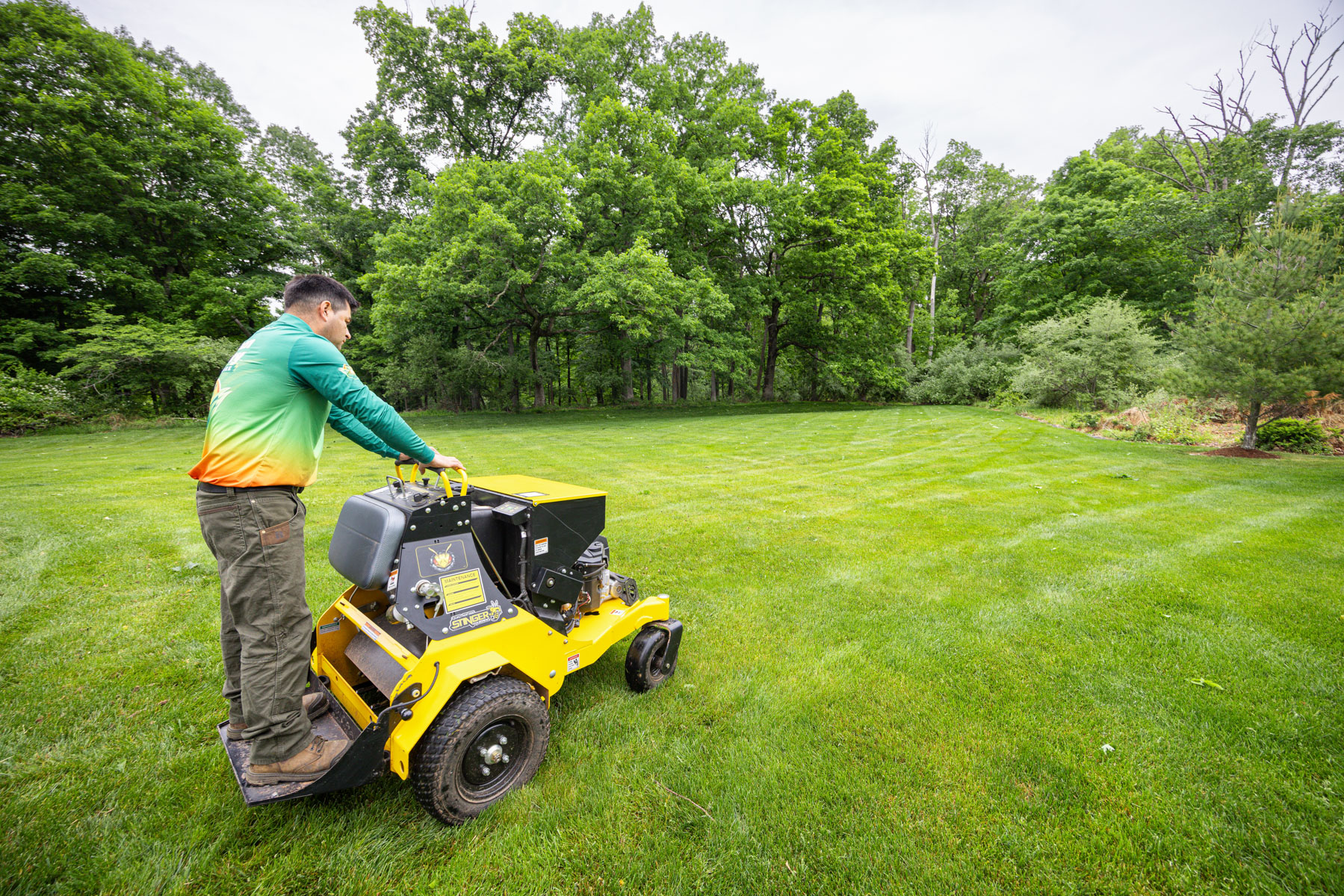
Core aeration mechanically removes small plugs of soil from the lawn. Those openings create more pore space in compacted soil, giving water, oxygen, and nutrients a better way to get to grass roots. Think of it as helping turf breathe, hydrate, and grow. Aeration can also help reduce thatch buildup.
One of the best benefits of overseeding is introducing improved turfgrass varieties. Green Valley uses certified seed with the top-rated NTEP turf-type tall fescue varieties available. These cultivars are selected for desirable characteristics such as drought tolerance, disease resistance, and overall turf quality. The new seeds are used to improve turf density and fill thinning areas while introducing the new grass varieties.
Together, these two services complement each other especially well. Grass seed needs good contact with the soil to germinate successfully, something that you don’t get by simply throwing seed out without any prep. When overseeding, Green Valley performs a double pass aeration on lawns, meaning we create more openings where seeds can reach the soil compared to single aerating. We also employ hand tools to reach areas where machines can’t access to still ensure good seed-to-soil contact in those spots.
What Does Lawn Aeration Actually Do?
Lawn aeration reduces soil compaction and creates more pore space so water, oxygen, and nutrients can move into the root zone more effectively. It also gives roots more room to develop.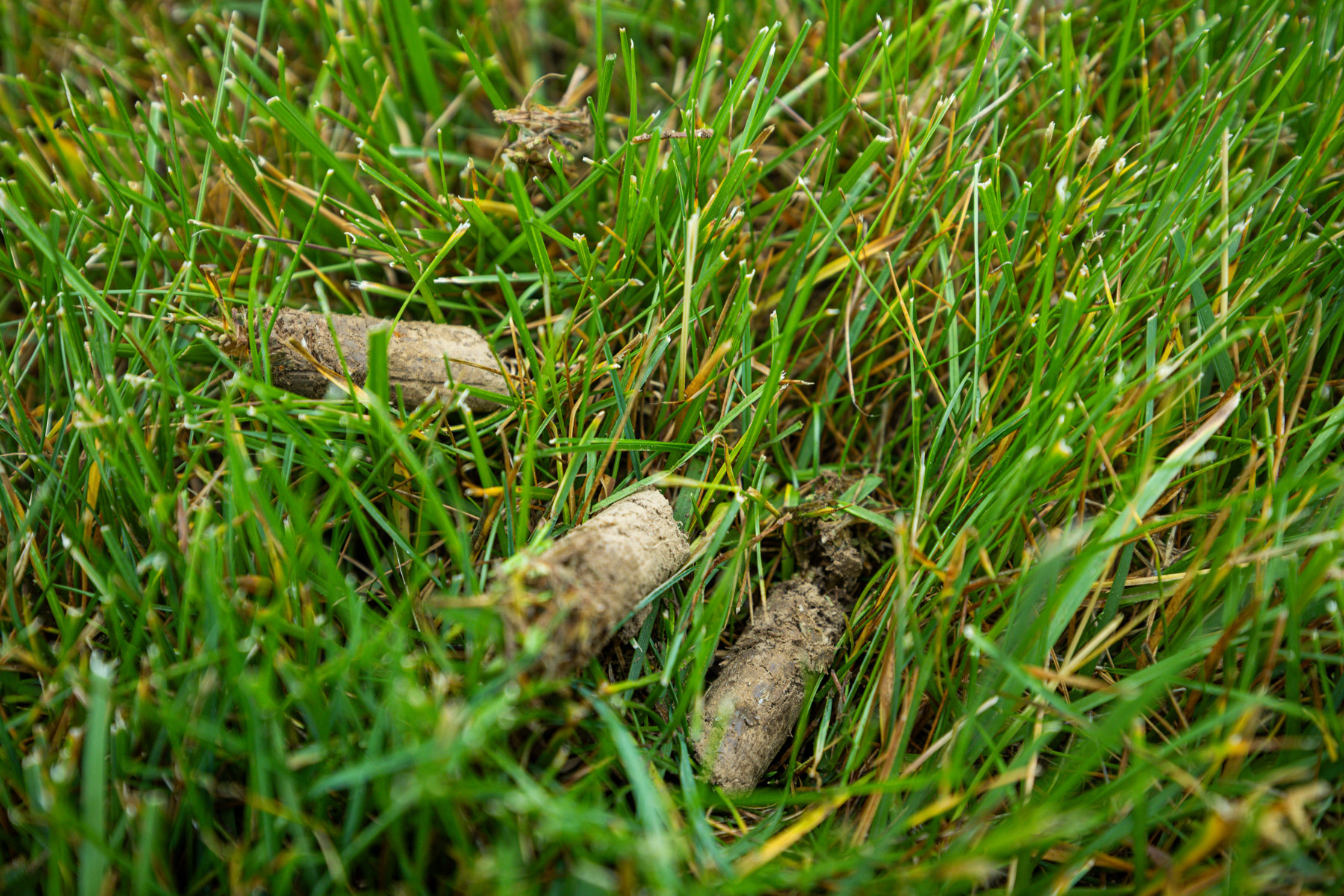
Some of the most important parts of a healthy lawn are happening where you can't see them. Grass roots need access to water, oxygen, and nutrients, along with space to grow. When soil becomes compacted, that growing environment becomes more restrictive. Core aeration helps open it back up by physically removing plugs of soil.
This can be especially useful in this part of New Jersey. Green Valley encounters properties around Montgomery Township and the Princeton area with compacted clay or shale soils. Those conditions can make it harder for grass to establish deeper roots and hold onto moisture during stressful summer weather.
Those little soil plugs scattered across the lawn after aeration might not look impressive, but they're a sign that work has been done in an area that has a big influence on turf health: the soil beneath the grass.
Why Overseeding Leads To a Thicker Lawn
Bare spots are an obvious reason to add seed, but overseeding doesn't have to be reserved for lawns with major damage. Overseeding can improve the overall density of the lawn by adding more grass plants (while also helping to fill thinning areas) and introducing new varieties of grass that hold up better over time to heat, drought, pests, and disease.
Why does that matter? Because putting down grass seed is only half the equation. The type of grass being introduced matters, too.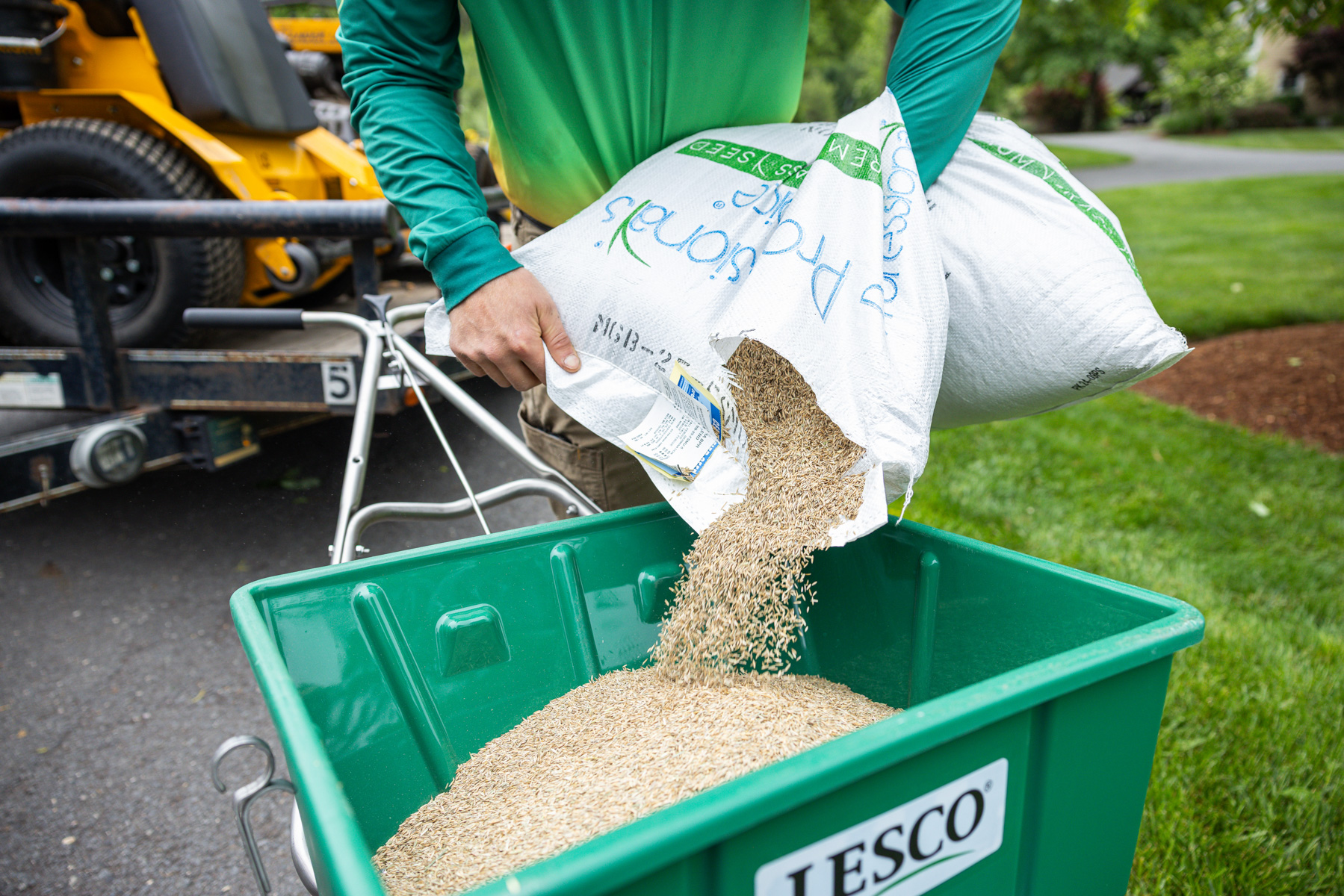
Green Valley uses top NTEP-rated 100% turf type tall fescue when overseeding. Turf type tall fescue (TTTF) is a particularly durable choice for the local climate, making seed selection an important part of building a lawn that's better prepared for Central New Jersey seasonal conditions.
It's a good reminder that successful overseeding isn't simply about adding more grass. It's about adding the right grass.
Why Fall Is the Best Time to Aerate and Overseed in Central New Jersey
So, when should you have your lawn aerated?
For the cool-season lawns found throughout Central New Jersey, fall offers several important advantages. For starters, this is an important period for root growth. Core aeration creates more pore space at a time when the roots can take advantage of improved access to air, water, and nutrients.
Conditions above ground also work in the lawn's favor. The soil still holds warmth from summer, which helps support seed germination. At the same time, air temperatures are cooling down, so young grass isn't immediately faced with the intense heat and stress of summer.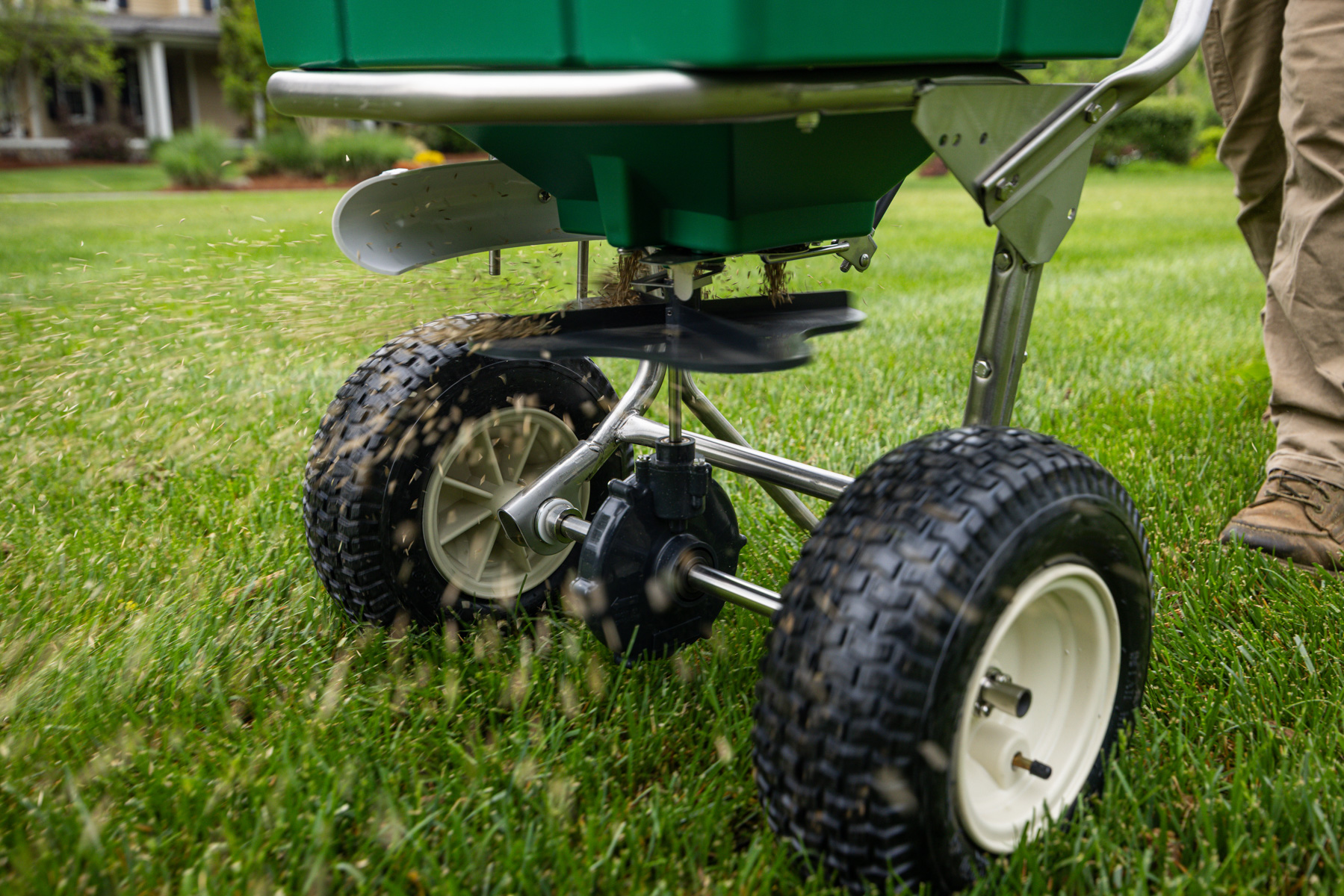
Established cool-season grass can already struggle during a hot, dry New Jersey summer; tender new grass has an even harder time surviving under those conditions. Fall gives new seedlings a much more favorable environment to germinate, grow, and begin maturing.
Crabgrass prevention is another important reason Green Valley prefers fall over spring. Spring lawn programs commonly include a pre-emergent treatment that creates a barrier to help prevent crabgrass. Unfortunately, these pre-emergents also stop grass seed from germinating. Preventing weeds early in the season is a more important goal, which is why we avoid that conflict by concentrating aeration and overseeding in the fall.
Warm soil, cooler air, active root growth, and better compatibility with the rest of the lawn care program all make fall aeration and overseeding the preferred approach.
How Do You Know If Your Lawn Could Benefit?
A lawn doesn't need to be severely damaged before aeration and overseeding make sense. Bare patches, thinning turf, and poor overall density are some of the easiest signs to recognize. Compacted soil can also indicate that aeration would be beneficial, although compaction isn't always something that's easy to evaluate just by looking at the lawn.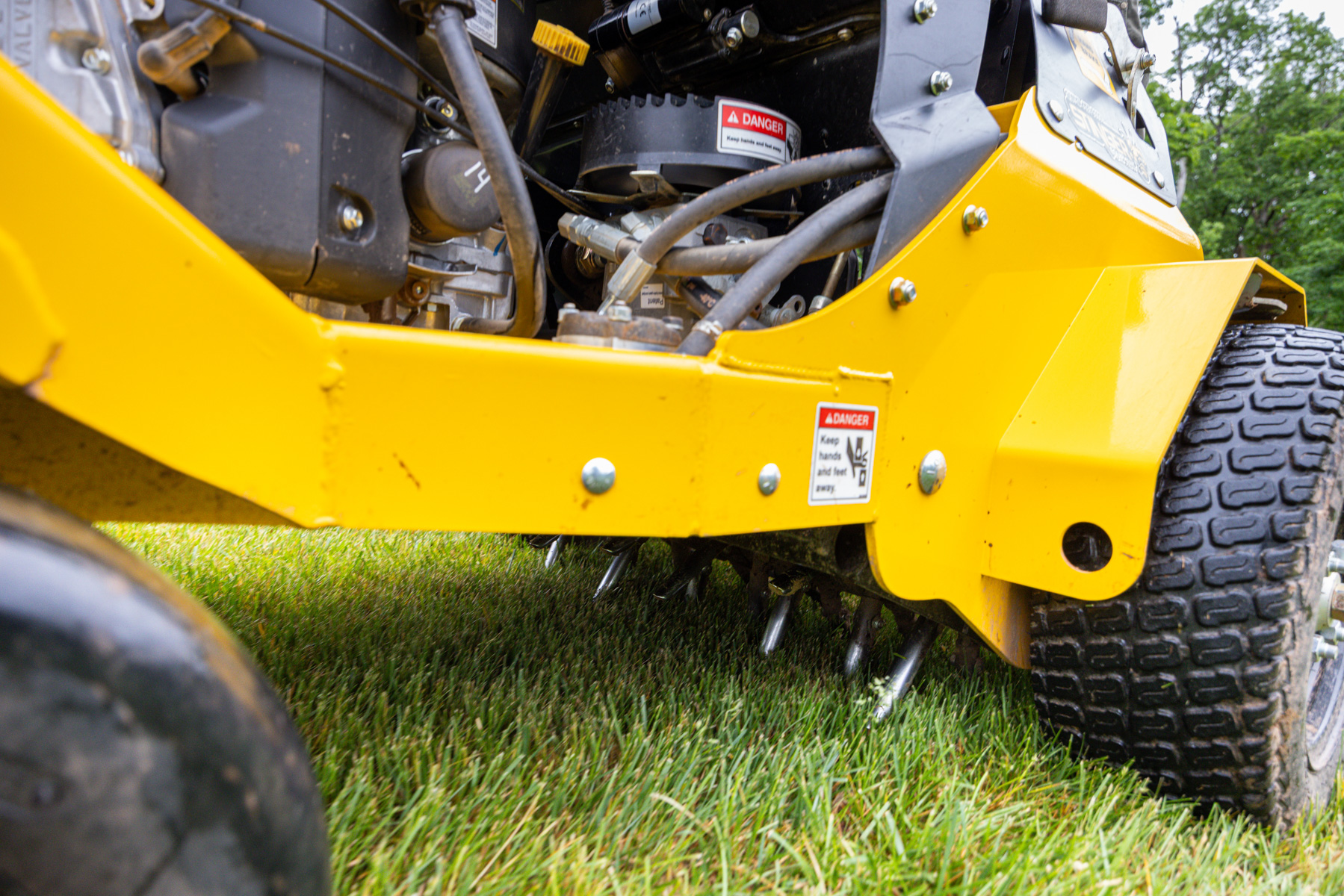
It's also helpful to think about aeration and overseeding as proactive lawn care. Grass experiences stress over time. Summer heat and drought can thin turf, while compacted soil beneath the grass can reduce root health. Soil compaction can be increased as a result of foot traffic, lawn mowers, and other turf equipment. Any lawn can benefit from the improved growing environment that comes from the relief of soil compaction.
That means you don't need a lawn emergency for these services to be valuable. For homeowners who want to maintain a consistently thick, attractive lawn, addressing those conditions before they become bigger problems can make a lot of sense.
What Happens During Professional Aeration and Overseeding?
Professional aeration and overseeding involves more than simply running an aerator over the property and spreading seed afterward. The equipment used during aeration can make a meaningful difference.
Green Valley uses a combination of pro-grade aeration equipment, including stand-on and walk behind aerators. Depending on the piece of equipment and the conditions of the lawn being serviced, our technicians adjust their approach to fit the soil moisture, compaction, and accessibility.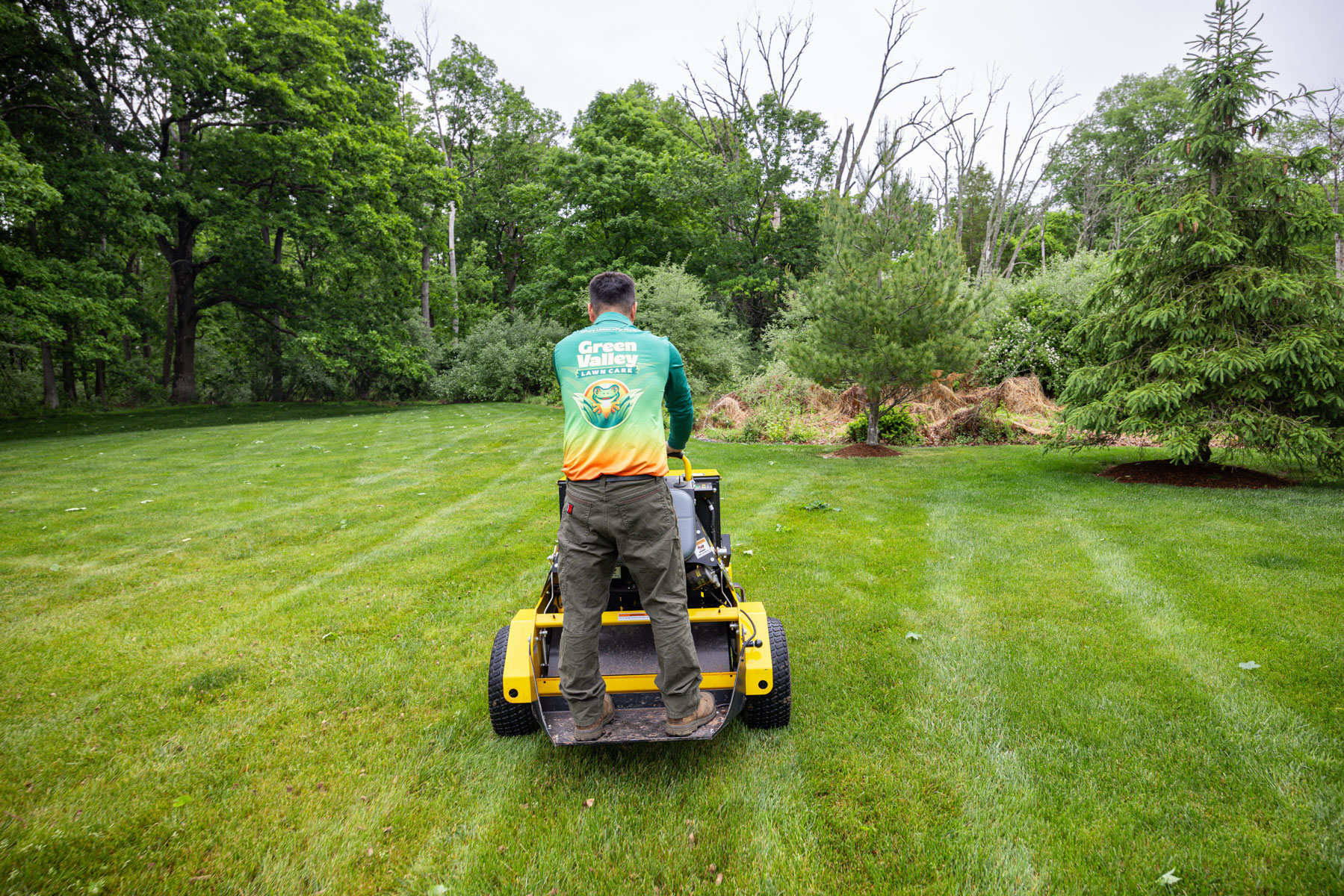
One property may have dry, hard soil, while another may have an irrigation system and considerably more soil moisture. Instead of approaching both properties exactly the same way, we adjust the equipment to the appropriate plug depth for the conditions.
When Green Valley combines aeration and overseeding, we do double-pass aeration to create more opportunities for seed-to-soil contact. The seed can settle into the openings created during aeration, giving it better access to the soil it needs to establish and germinate.
Homeowners should also expect to see soil plugs scattered across the lawn after service. That's completely normal. Those plugs gradually break down and return some nutrients back into the soil.
How to Get the Best Results After Aeration and Overseeding
Once aeration and overseeding are complete, the new grass still needs time and the right conditions to establish.
Watering is one of the most important parts of successful overseeding. Green Valley provides watering instructions following overseeding because the work doesn't end when the seed is in the ground.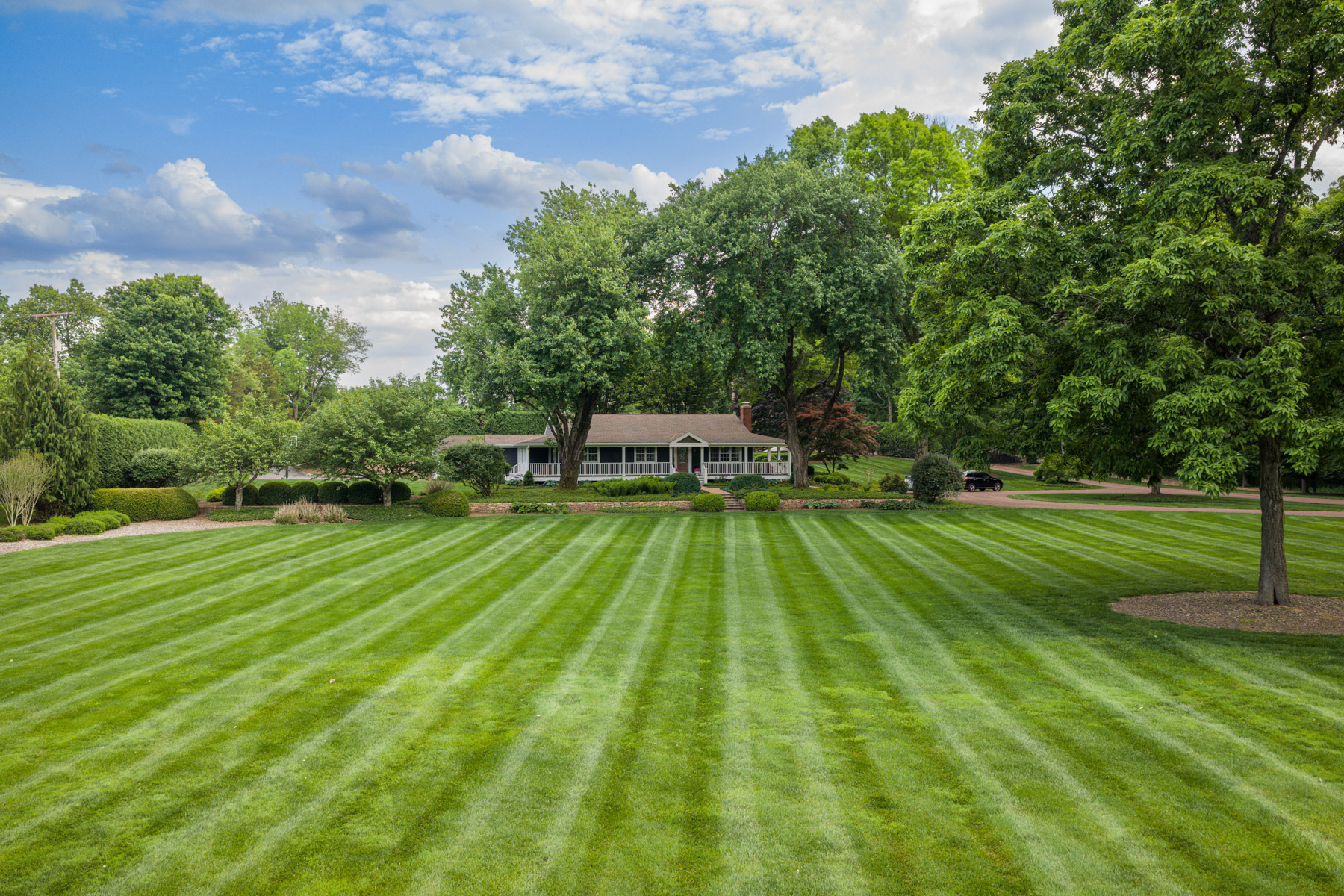
The important thing is not to assume that the lawn's normal watering schedule will automatically provide what new seed needs. Proper moisture during germination can make a significant difference in the outcome.
Patience matters, too. Turf type tall fescue needs time to germinate and then additional time for the young grass to mature before winter. The goal isn't simply to see the first green shoots emerge. The new turf needs an opportunity to develop before colder weather arrives.
And that's exactly why timing the service correctly is so important.
Why Timing Matters More Than Most Homeowners Realize
One of the easiest ways to reduce the potential success of overseeding is simply waiting too long.
Green Valley has a hard stop in the beginning of October for turf type tall fescue overseeding. That's not because conditions suddenly change on one particular day. It's because each passing week leaves less time for the seed to germinate and the young grass to mature before winter.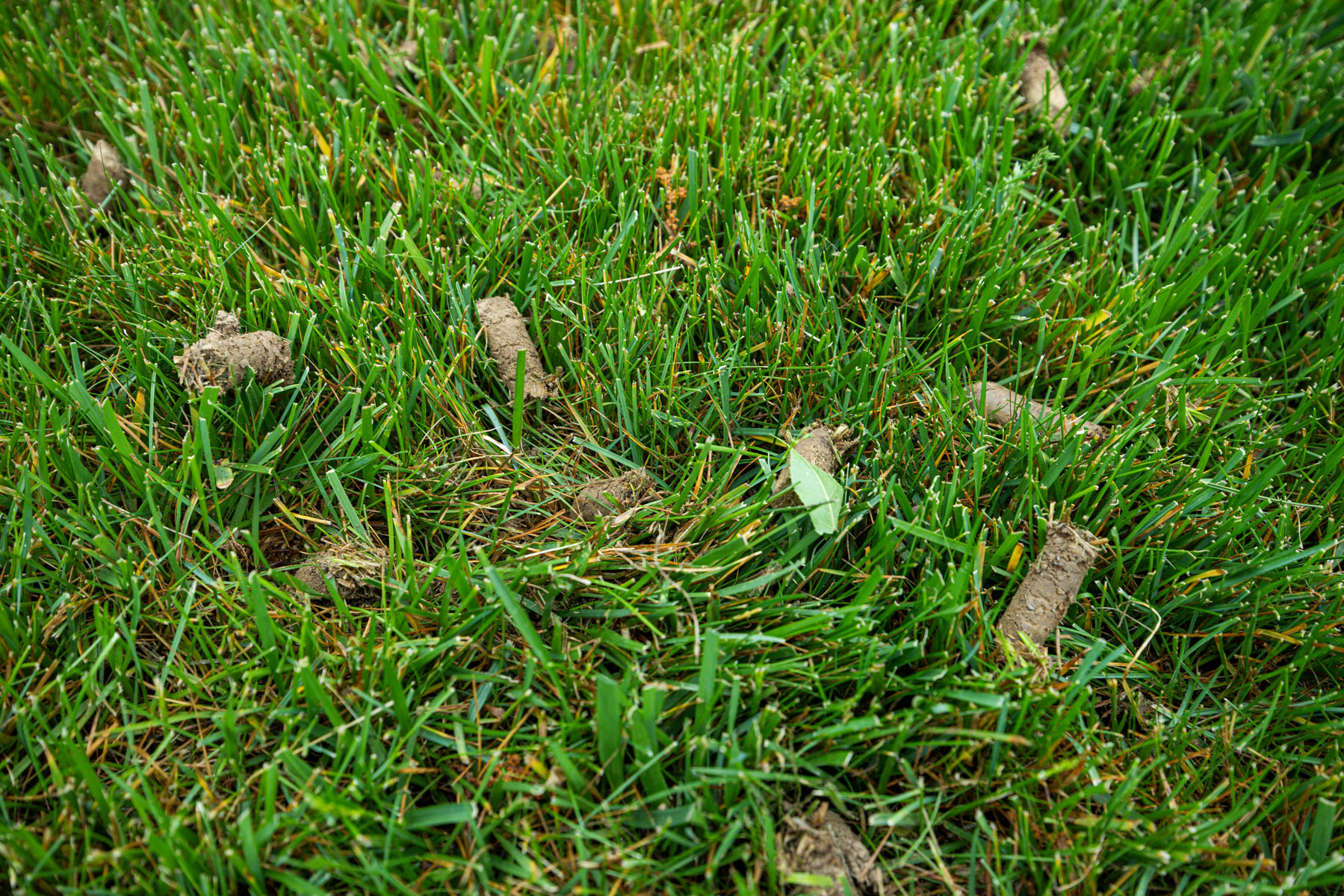
So, when considering the best time to overseed, it helps to think beyond the day the seed is applied. The real question is whether the grass will have enough favorable growing time afterward.
Green Valley generally avoids summer aeration because hot, dry conditions can already place significant stress on cool-season turf. While aeration can be beneficial whenever compaction needs to be addressed, late summer and early fall typically provide more favorable conditions to maximize recovery, root growth, and overall turf establishment.
For lawns in Montgomery Township and the Princeton area, autumn gives aeration and overseeding a better chance to do what they're meant to do.
Build a Thicker, Healthier Lawn for Next Spring
A thick, healthy lawn isn't usually the result of one quick fix. It comes from giving the grass the growing conditions it needs and addressing problems before they become harder to correct.
Fall aeration and overseeding can be an important part of that process. Aeration improves the environment around the roots, while overseeding introduces new grass to improve density, drought, and disease resistance. Doing both during favorable fall conditions gives the lawn time to take advantage of those improvements.
Green Valley Lawn Care has served Central New Jersey homeowners since 2002, providing lawn care services throughout Montgomery Township and the greater Princeton area, including Skillman, Belle Mead, Princeton, Hillsborough, Hopewell, and Pennington. For homeowners who want a thicker lawn without wondering what it needs or when the work should be done, we can evaluate the property and recommend the right approach based on local conditions.
Looking for a thicker, lusher lawn by next spring? Fill out our contact form today to get a quote for your lawn care.