
- Lawn Care
- Gavin Sheaf
A New Jersey summer can be tough on a lawn. By the time fall arrives, grass that looked thick and green in spring may have brown spots, thinning patches, discoloration, or simply look less healthy than it did a few months ago.
The good news is that fall gives your lawn a chance to recover and rebound from those harsh summer months. For cool-season grasses found throughout Montgomery Township and the greater Princeton area, fall brings conditions that support recovery, root growth, and new grass establishment. That means if your lawn gets a little love and attention during these ideal conditions, it’ll be stronger and healthier when spring comes.
Jump To:
Why is Fall So Important for Lawn Care?
How Can You Tell if Your Lawn Needs Fall Repair?
Which Lawn Treatments Help Grass Recover?
Fall Lawn Care Tips
Why Timing Matters for Fall Lawn Treatments
Give Your Lawn a Better Start Next Spring with Green Valley
Why Is Fall So Important for Lawn Care in New Jersey?
Fall offers a helpful combination for cool-season turf: the soil stays warm while air temperatures cool. Warm soil encourages root growth, while cooler air puts less stress on the grass. Fall also typically brings more favorable moisture conditions. At the same time, competition from summer annual weeds such as crabgrass begins to ease.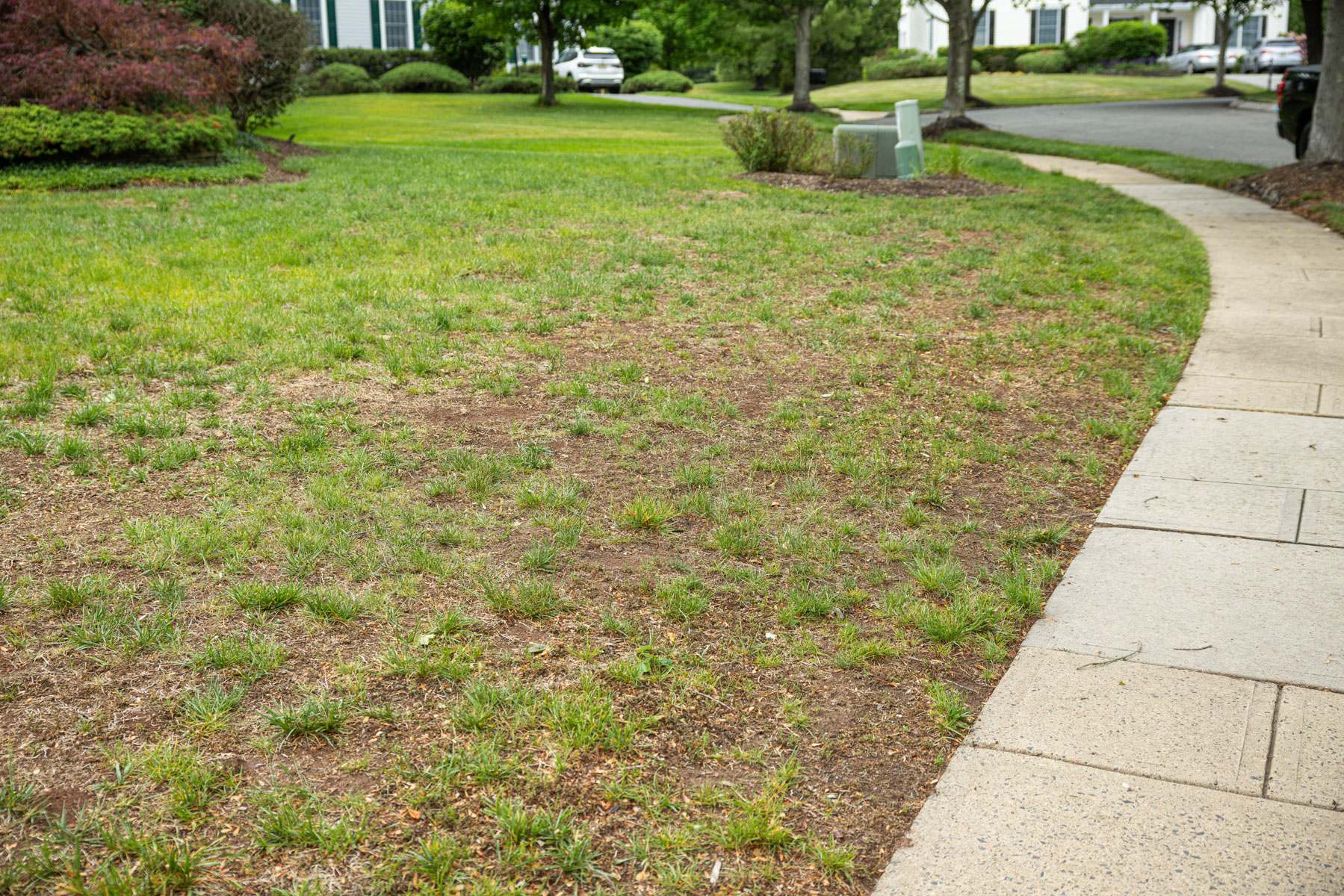
Heat and drought can put considerable stress on a lawn. When those factors drop, and more ideal growing conditions appear in the fall, grass can shift its energy toward recovery and root growth. This is also an opportunity to address areas where summer damage has left the lawn thin or bare.
How Can You Tell If Your Lawn Needs Fall Repair?
Your lawn will let you know if it needs help. One of the first things you'll notice is its color - turf affected by summer stress turns brown or discolored instead of looking healthy and green. Other signs include thin, sparse, or overall slower patchy growth. If the New Jersey summer was especially brutal and didn’t bring much rain, those patches can get even larger and more noticeable.
But not every brown lawn is beyond saving. As temperatures become more favorable for cool-season grass, stressed turf may begin growing and bouncing back. Areas with more substantial damage, however, may need additional help to fill back in.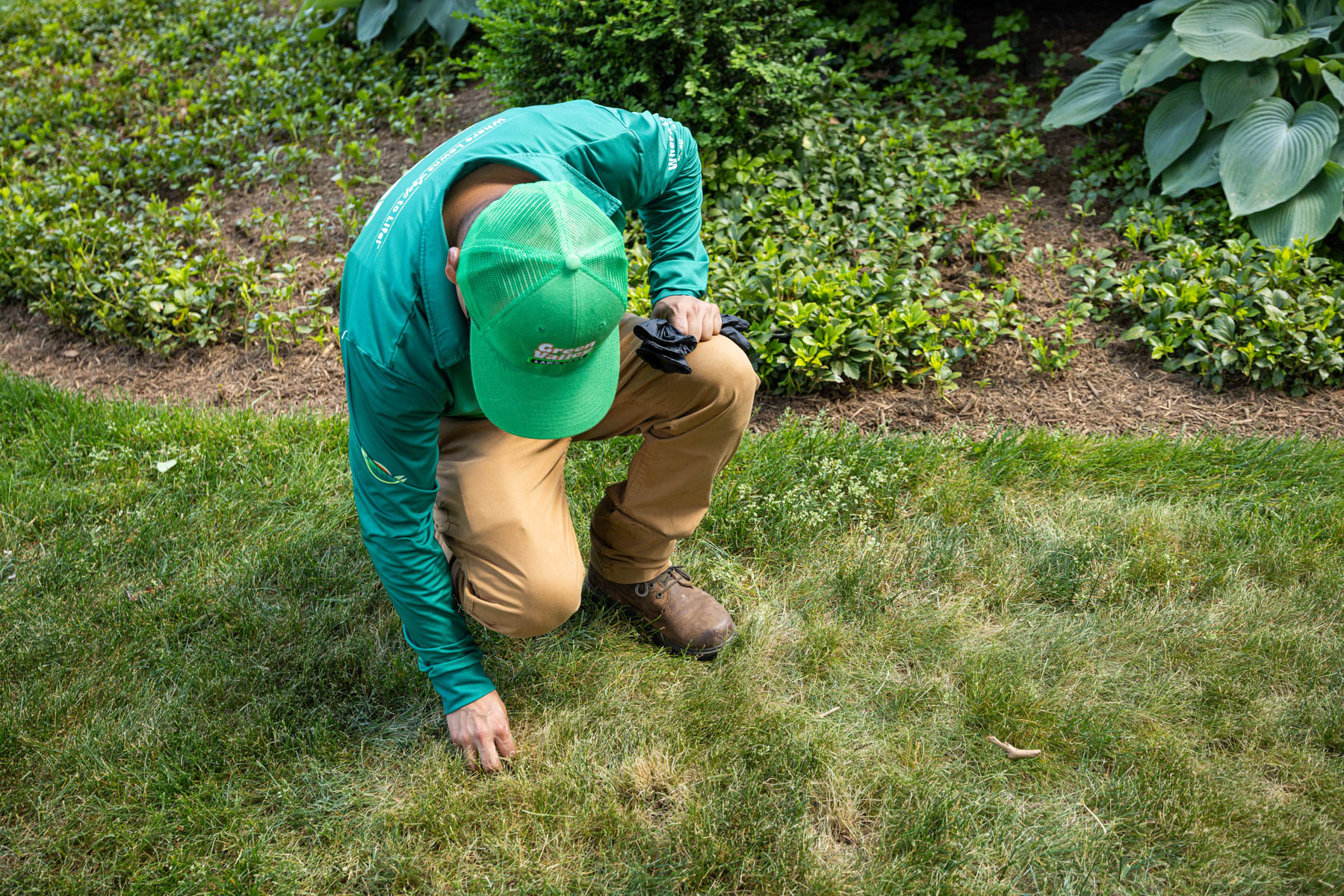
It’s also important to note that there is a difference between dormant turf and actual lawn damage. Uniform browning during drought is commonly a sign of normal dormancy and would bounce back when moisture returns. Keep in mind that, once a lawn enters dormancy, moisture alone may not immediately bring it back. You also need favorable temperatures to help create good growing conditions. Persistent or localized patches of brown grass indicate more serious drought damage, disease, or insects.
Ultimately, cooler fall temperatures support the recovery of stressed cool-season turf, but severely damaged areas may require additional renovation or reseeding. The key is figuring out what your lawn actually needs instead of throwing treatments at the problem and hoping one works.
Which Fall Lawn Treatments Help Grass Recover?
An effective fall lawn treatment plan isn't necessarily the same for every property. Fertilization, aeration, and overseeding are especially valuable during this season, while lime applications may also have a role depending on your lawn's status. A professional lawn care business like Green Valley, a trusted local business since 2002, can help you determine your specific needs to get your lawn back to its best.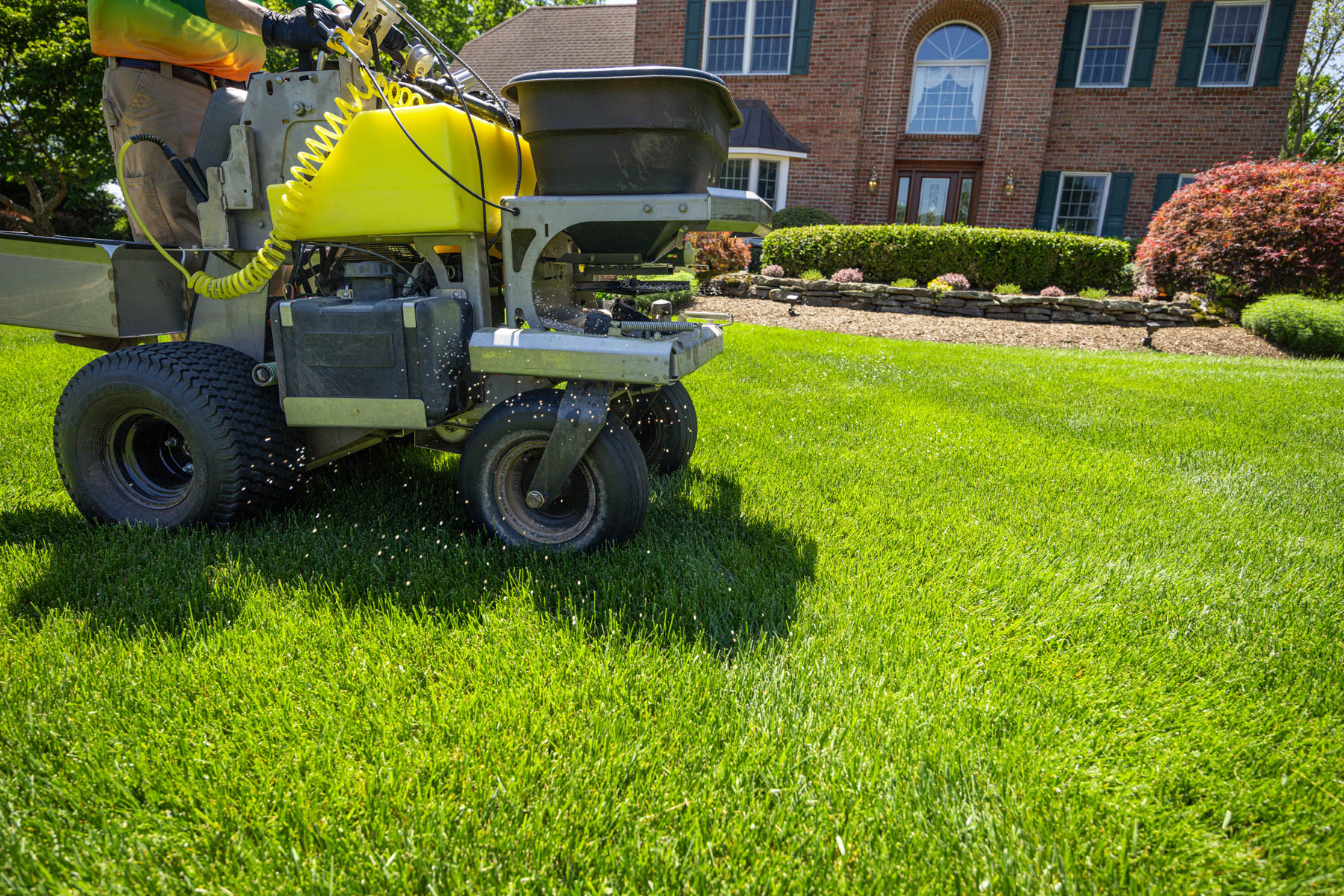
Fall Fertilization Supports Recovery and Root Growth
As grass recovers from summer and focuses on root development, it needs nutrients. Green Valley’s early-fall fertilization utilizes a higher-nitrogen slow release application to help turf rebuild after summer stress while supporting stronger root development. Grass also begins storing carbohydrates and energy reserves for winter, which can support a quicker green-up and a stronger start the following spring.
Timing matters, though. We typically focus our early fall fertilization around the period when grass is actively growing and directing energy toward its roots rather than waiting until it starts to go dormant as it prepares for winter - commonly referred to as a “winterizer” treatment.
Aeration and Overseeding Can Repair Thin Areas
If summer leaves behind thin or damaged turf, aeration and overseeding can help rebuild it. Fall offers favorable conditions for new seed because the soil retains warmth from summer while air temperatures start to become cooler. New grass needs warmth, water, and good seed-to-soil contact to take root (literally). Cooler air also puts less stress on young grass as it develops before winter.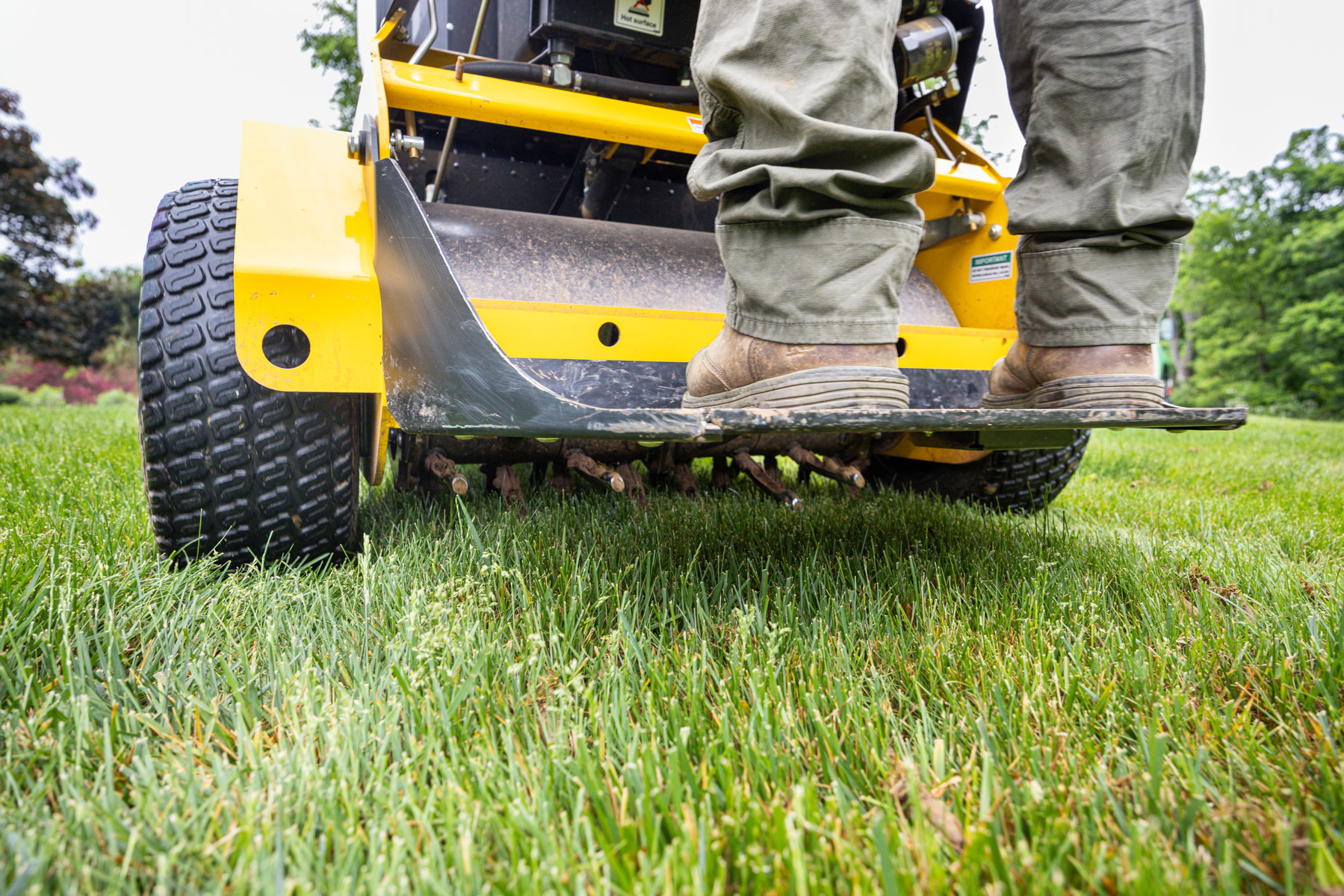
Green Valley pairs professional aeration with overseeding to create that seed-to-soil contact. We use professional ride-on aerators and walk-behind units depending on the property. This equipment lets technicians adjust pressure to create appropriate plugs based on each individual’s lawn conditions. Once the job is complete, your technician will leave you with our Seed Home Care instructions - this includes watering instructions, post-seeding mowing advice, and other best practices so homeowners know how to care for the newly seeded lawn for the best results.
Fall Weed Control Can Get Ahead of Spring Weeds
It may seem like no big deal to leave a few weeds with winter on its way, but it’s actually pretty important - and much easier - to get them taken care of before snow starts to fall. Ground Ivy (commonly called Creeping Charlie) and Wild Violet begin sending energy into their roots during the fall, making it the perfect time to treat them with a selective herbicide that systemically makes its way into their roots and leads to their demise.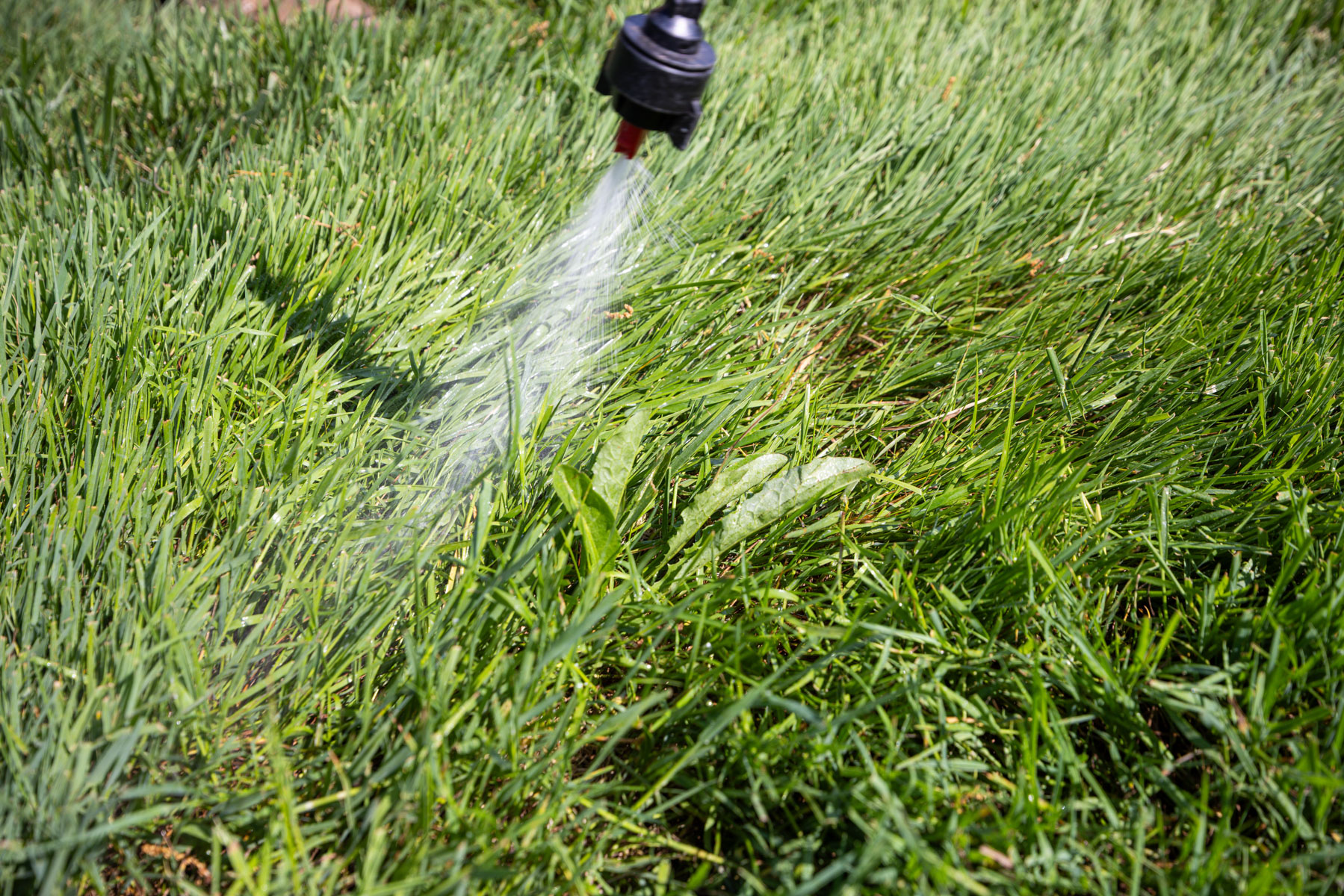
Properly timed fall weed control can address these nuisances before they become that familiar springtime headache, taking away from the splendor of your green spring lawn.
Don't Apply Lime Without Knowing Your Soil
Fall can be a good time to apply lime, but that doesn't mean every lawn needs it. Lime is used to help correct soil acidity, so applying it without knowing your soil's current pH can do more harm than good.
Green Valley recommends starting with a soil test rather than applying lime automatically or “just in case.” When soil pH is in the correct range, grass has an easier time absorbing vital nutrients. However, when pH drifts too far in either direction, those nutrients can bind tightly to the soil, locking them away and starving your lawn of what it needs for healthy, lush growth.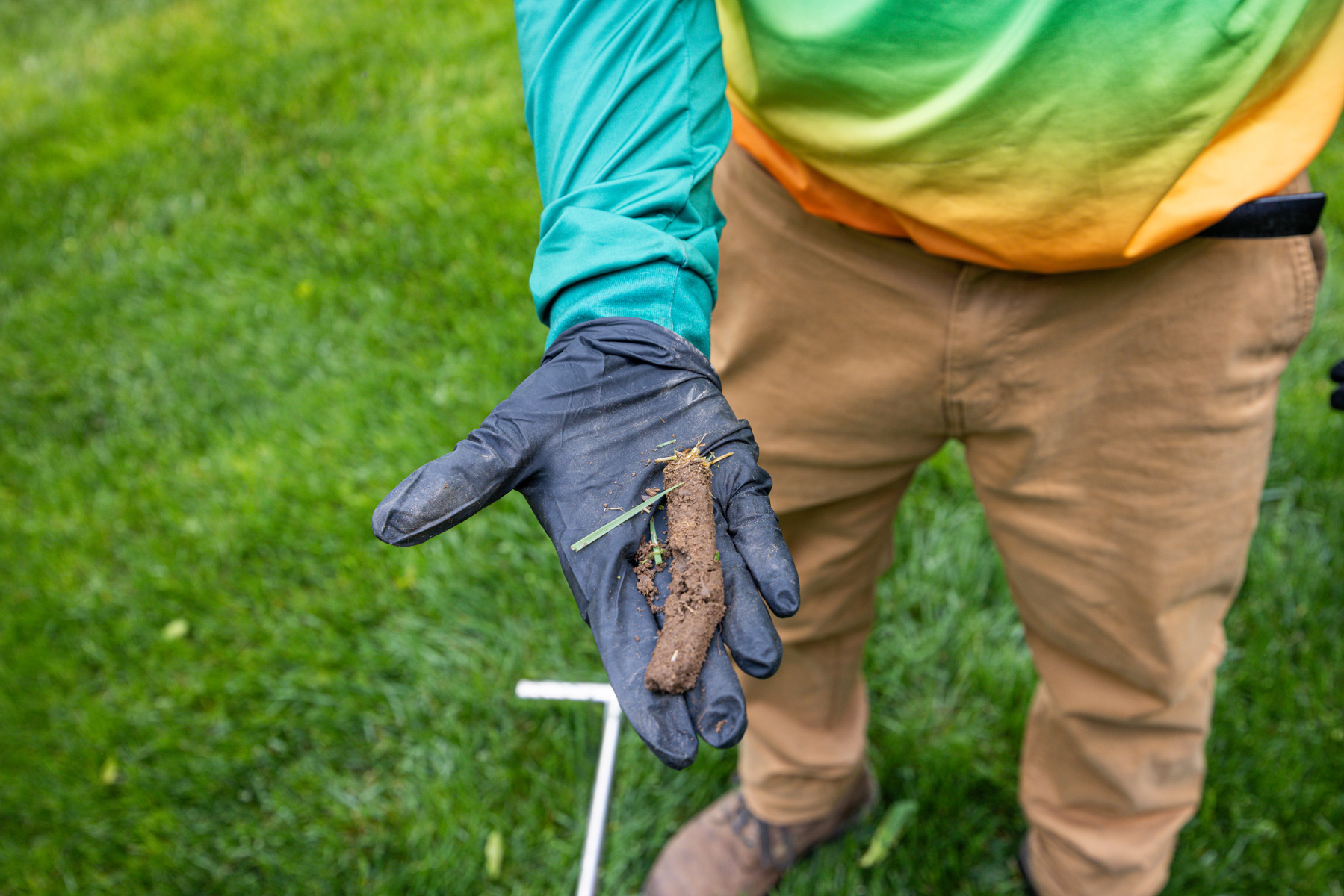
That's why Green Valley treats lime as a soil correction based on actual need, not something every lawn should receive every fall. We use a soil test to help determine whether lime will benefit your lawn before you spend money on something unnecessary - and that can actually have an adverse affect.
Fall Lawn Care Tips for Montgomery Township Homeowners
Treatments are only part of successful fall lawn prep - what you do between professional visits matters, too. Pay particular attention to watering after aeration and overseeding. New seed needs proper watering to establish successfully.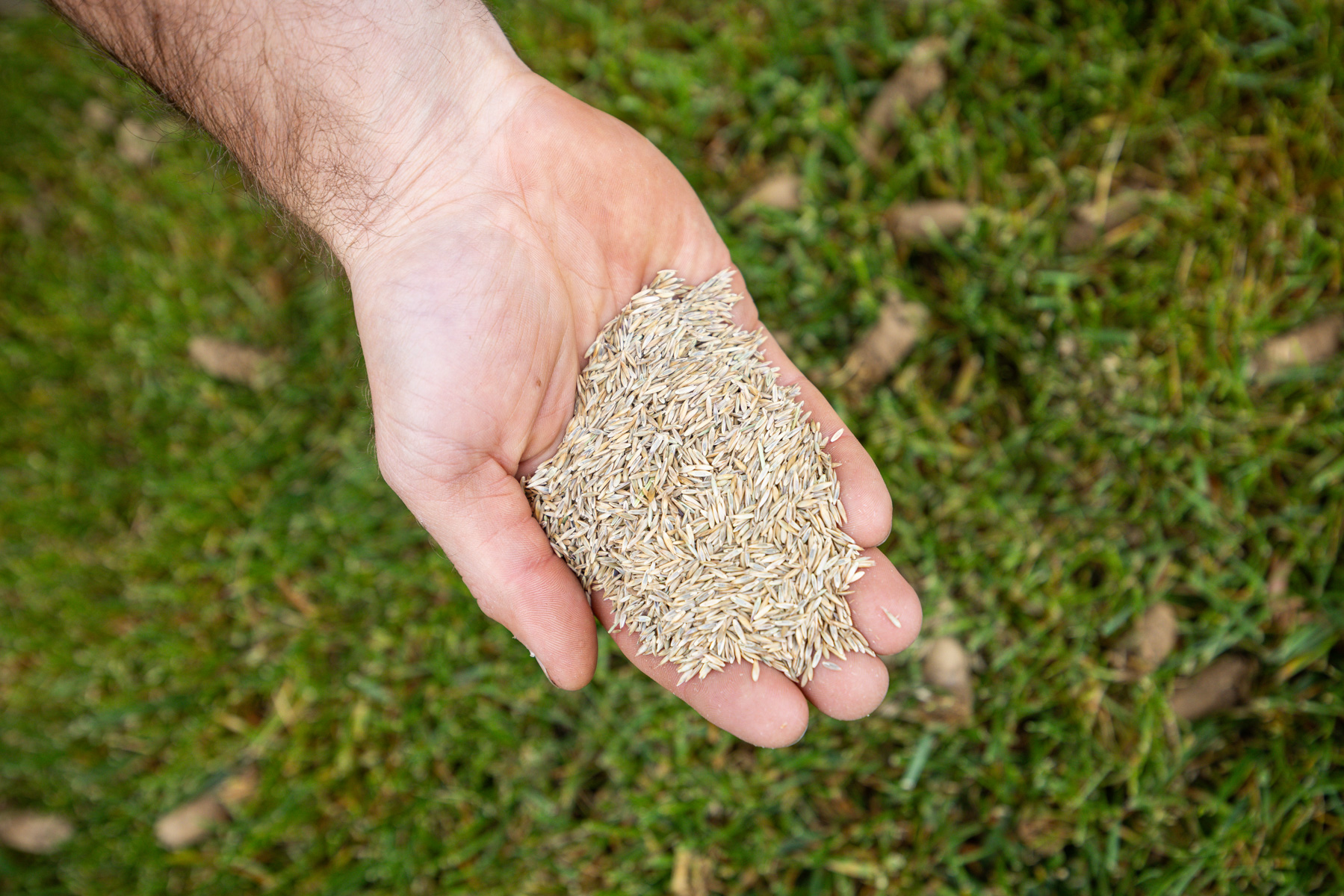
As fall progresses, you should begin lowering your mowing height. Aim for a final mow sometime in mid-November at a height of about 3 inches. This helps prevent turf from matting down during the winter and becoming more susceptible to snow mold.
Leaves deserve attention as well. Allowing a thick layer of leaves to build up over areas of the lawn blocks the grass from getting the sunlight it needs, and when that leaf cover is finally removed, the turf underneath may be yellow. Keeping leaves from accumulating helps keep the lawn clear and healthier going into winter. One way to accomplish this is by mulching the leaves with your mower. This is an effective and efficient alternative to bagging and hauling leaves away with the added benefit of returning some nutrients and organic matter to the soil, helping to build soil health and recycle nutrients.
Why Timing Matters for Fall Lawn Treatments
Knowing when to fertilize a lawn in New Jersey or when to seed can make a significant difference. At Green Valley, we aim to fertilize while the turf is still actively focusing on growth and recovery in early fall with an application formulated to provide a higher amount of slow-release nitrogen. This treatment helps grass recover from tough summer conditions and begin preparing for winter - followed by an earlier spring green up.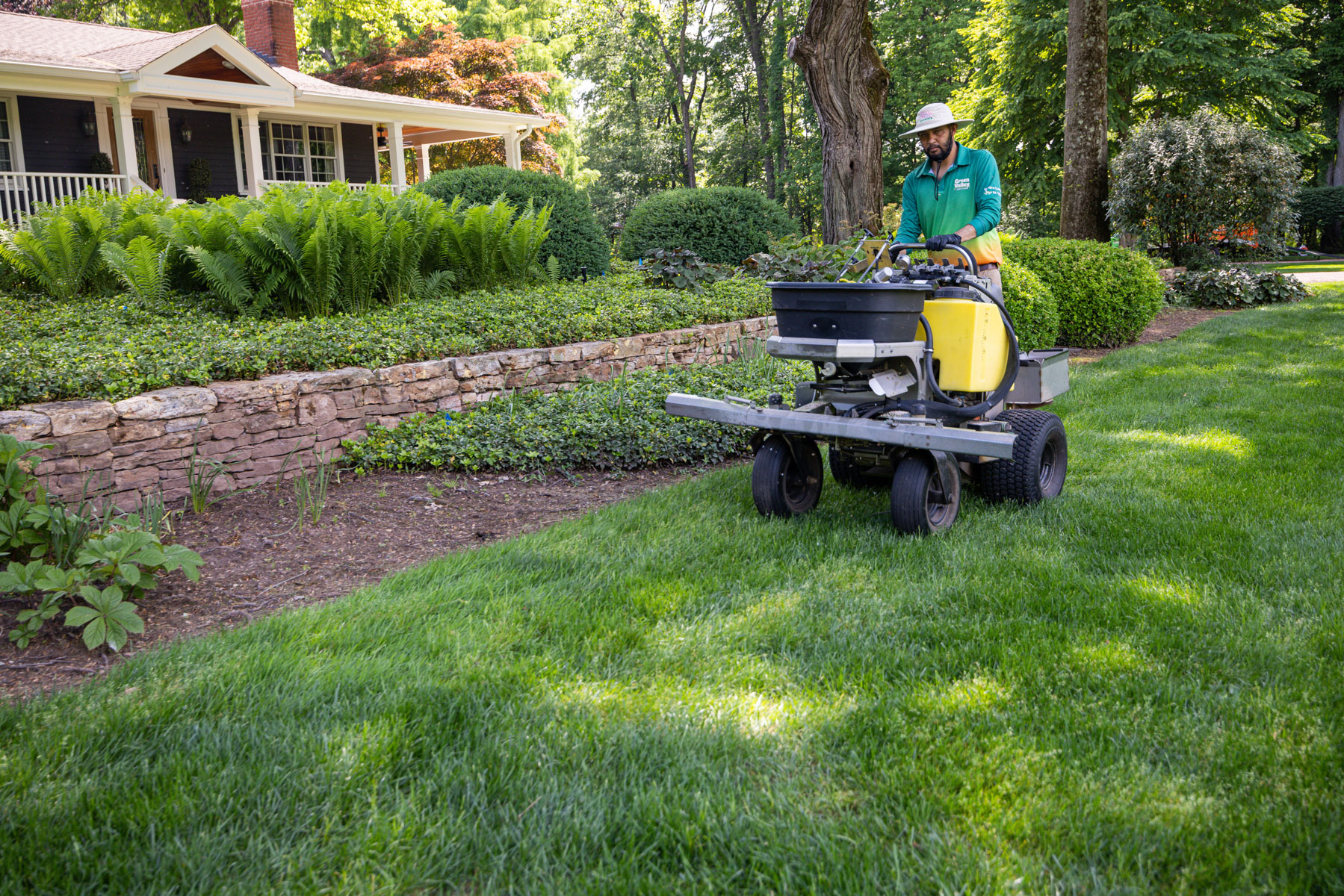
Timing becomes even more important with overseeding. Green Valley stops aeration and overseeding during the first week of October because we want the tall fescue seed to have enough time to germinate as well as strengthen and develop its roots before winter arrives.
The takeaway is simple: don't wait until winter is around the corner to start thinking about repairing your lawn.
Give Your Lawn a Better Start Next Spring with Green Valley
Fall lawn care isn't only about squeezing a few more weeks of green grass out of the year. It's an opportunity to help your lawn recover from summer, strengthen its roots, establish new grass where needed, and prepare for the seasons ahead.
If you're looking for lawn care services in Montgomery Township and the Princeton Area, Green Valley Lawn Care provides lawn fertilization, aeration and overseeding, weed control, soil testing, lime applications, and other residential lawn care services throughout the region.
With local expertise and a focus on giving your lawn what it actually needs, we can help take the frustration and guesswork out of fall lawn care so you can get back to enjoying a lawn you're proud of. That's what we mean by “Where Lawns Leap to Life.”
Now’s the time to get your lawn spring-ready. Ready to get started? Fill out our quote form or call us today.