
- Lawn Care
- Gavin Sheaf
Doing your own lawn care may have real appeal. Store-bought products can look cheaper than a service, and you decide exactly what goes down and when. If you have the knowledge, time, equipment, and willingness to monitor your lawn closely, DIY lawn care can work.
Professional lawn care often fits better when problems are repetitive and hard to diagnose, you just want simple peace of mind that your lawn is being cared for properly, or you want consistent results without managing the process yourself. Here's how to think through the lawn service vs. do-it-yourself decision.
Jump To:
What's the Real Difference?
Costs of DIY Lawn Care
Where DIY Lawn Treatments Become More Difficult
How Local Lawn Expertise Makes a Difference
What Does a Professional Program Provide?
Frequently Asked Questions About DIY vs. Professional Lawn Care
Spend Less Time Troubleshooting When You Work with Green Valley Lawn Care
What's the Real Difference?
The biggest difference is the scope of treatments applied to your lawn. Many homeowners assume a bag of weed-and-feed covers everything. Still, a healthy lawn needs several treatments, such as:
-
Broadleaf weed control
-
Control for tough weeds like nutsedge
-
Crabgrass prevention
-
Treatment for surface-feeding insects such as chinch bugs
A single store-bought product usually handles one or two of those, while a professional lawn treatment program covers them all.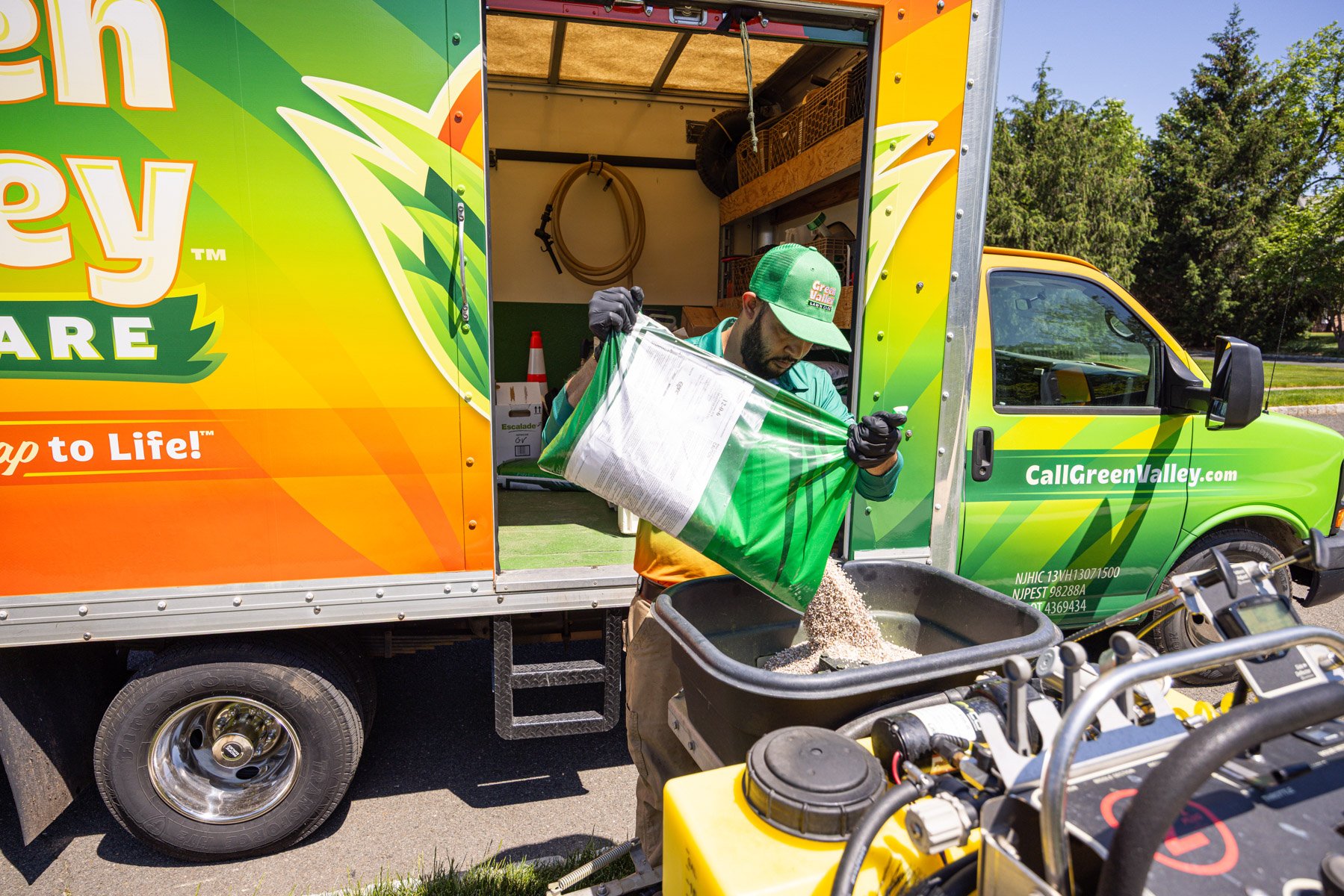
DIY lawn care can produce good results, but it takes ongoing education and planning. You need to know when seasonal weeds emerge and what your turf needs year-round; heavy nitrogen in midsummer, for example, can do more harm than good. You'll also need a spreader, a backpack sprayer, and a leaf blower to clear granular product off hard surfaces.
The Costs of DIY Lawn Care Go Beyond the Products
On paper, DIY is usually cheaper because you aren't paying for labor. The real question is whether the savings are worth the effort. Your time is valuable, too. Factor in repeat purchases, equipment, store trips, and the hours you spend researching.
You also need to store products in a dry, secure space away from children and pets. That means your garage or shed will be packed with products and equipment, leaving less space for anything else.
Also, keep in mind that when a treatment doesn't work, you have to pay again to fix it. Add it all up, and the gap between DIY and a professional program is often smaller than homeowners expect.
Where DIY Lawn Treatments Commonly Become Difficult
Most DIY issues are caused by four things: wrong products being used, misdiagnosis of the issue, incorrect timing, or improper treatment application.
Wrong Product Selection
Not every product is designed to control every weed or treat every lawn problem. If a product isn't labeled to control the weed you're targeting, it may not deliver the results you're looking for.
For example, a non-selective herbicide can kill crabgrass, but it can also damage or kill your desirable turf. Likewise, a selective herbicide that isn't labeled for crabgrass control won't provide effective control.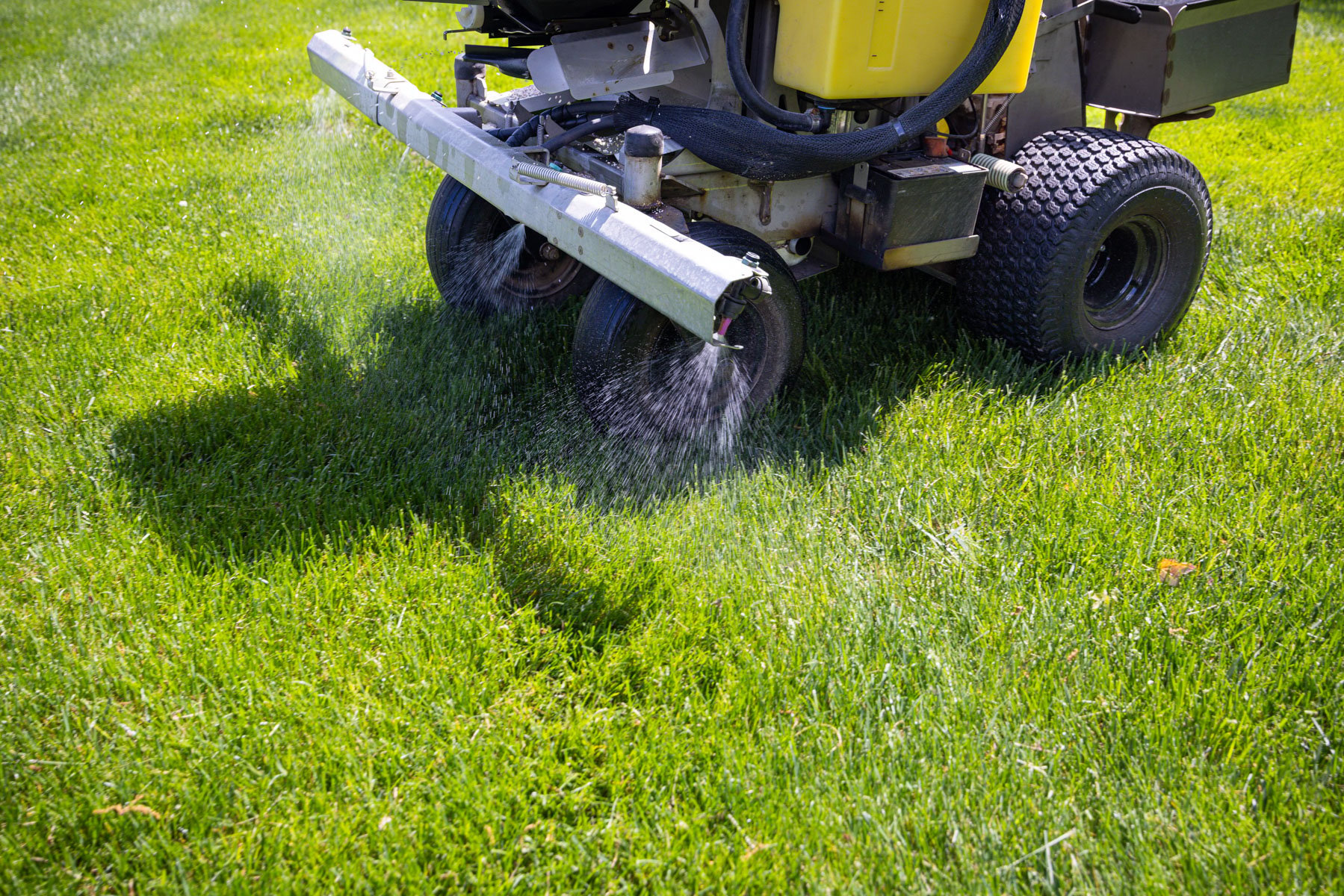
Misdiagnosis
Brown patches, thinning turf, and yellowing grass aren't always signs of a fertilizer deficiency. Improper watering, disease, insect damage, compacted soil, and drought stress can all cause similar symptoms.
Wrong Timing
Proper timing is essential for preventive treatments, especially for crabgrass and grub control. Applying a treatment too early, too late, or outside its recommended application window can reduce its effectiveness.
Fertilizer needs also change throughout the year. Applying too much nitrogen at the wrong time—particularly to heat- or drought-stressed cool-season grass—can increase the risk of turf injury and encourage unwanted weed growth.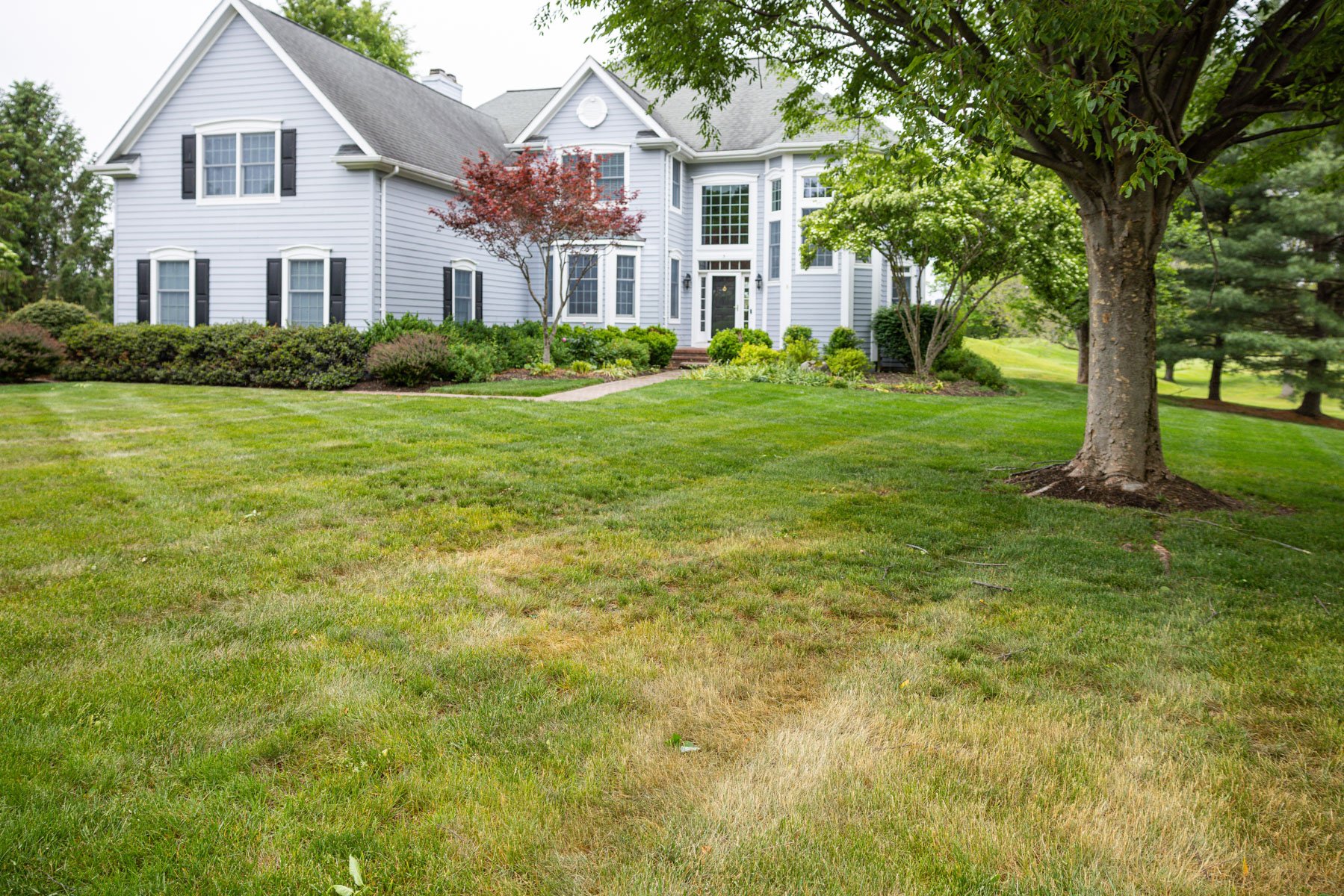
Improper Application
Even the right product can fail when it's applied incorrectly. Incorrect spreader settings, inaccurate mixing rates, or uneven coverage can cause inconsistent results, including green striping across the lawn, poor protection against grubs, and areas where crabgrass can breakthrough.
Underapplying a product can lead to poor or ineffective control, while overapplying fertilizer or other lawn products can injure turf or cause fertilizer burn. The result is often persistent weeds, recurring damage, and wasted product.
One homeowner who became a Green Valley client had tried every store-bought product and was ready to tear out his lawn. Our initial evaluation showed he didn't need to. Instead, our professionals corrected the course with the right diagnosis of his issues, the proper mix of products, and the appropriate application timing, which helped create the lawn he was aiming for.
How Local New Jersey Lawn Expertise Can Make a Difference
Much of Central New Jersey has heavy clay and red shale soil, which contributes to compaction and poor drainage that core aeration helps relieve. New Jersey's changing seasons also determine when to fertilize and apply preventive pest treatments. Advice from non-local experts, internet chat boards, or homeowners without this expertise can be weeks or months off, and tips and timing for warm-season grasses don't apply to the cool-season lawns common here.
It can be tempting to use search engines to solve your lawn problems, but your location is vital to knowing exactly which products to use and when. Local expertise from companies like Green Valley ensures precise diagnosis, treatment, and timing specific to Central New Jersey.
What Does a Professional Program Provide?
A professional program combines products, training, and accountability:
- Professional-grade products, including specialized and custom fertilizer blends, some available to professionals years before they reach store shelves.
- Licensed applicators who complete state-required training and continuing education (Green Valley trains our employees through Rutgers turf programs).
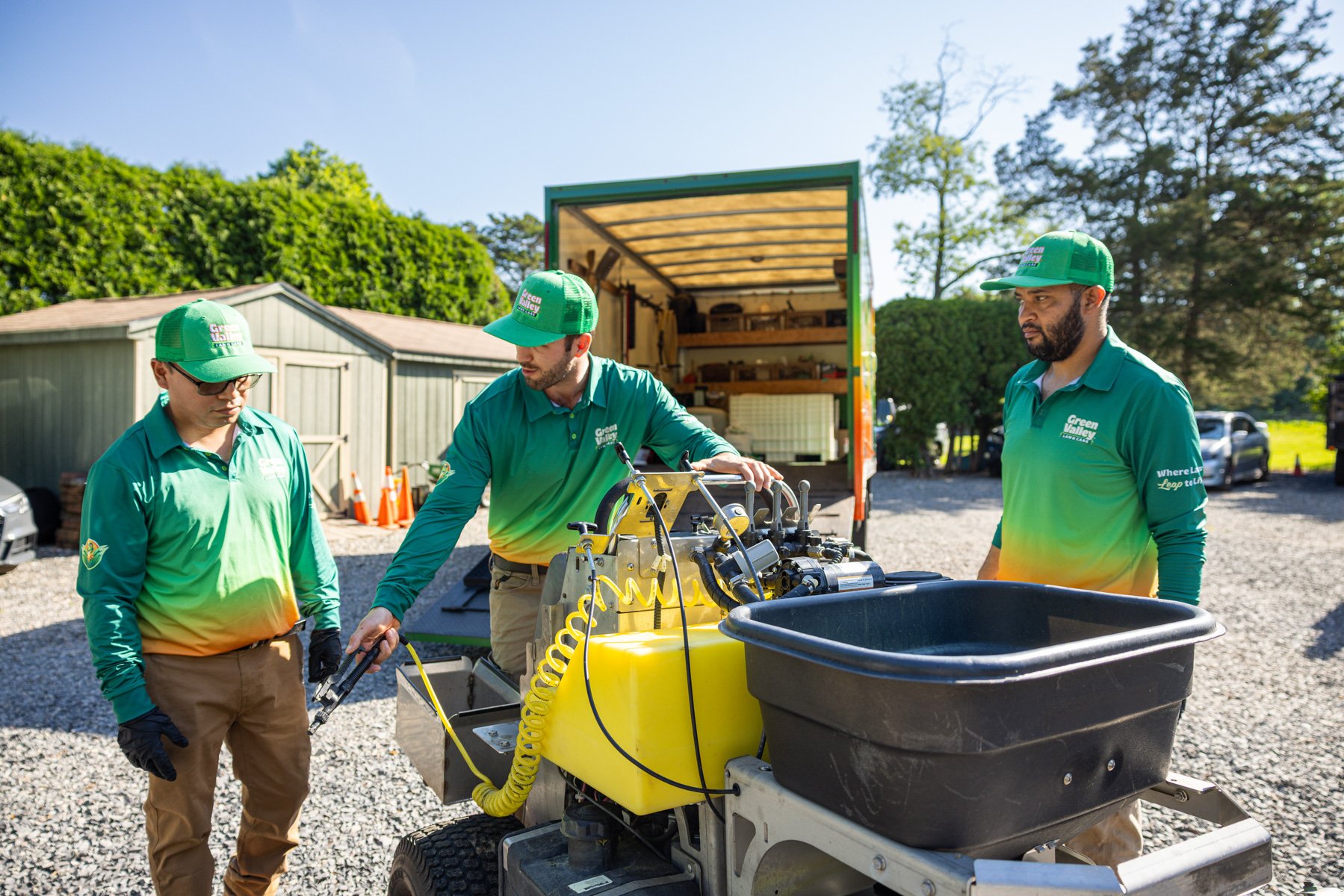
- Calibrated commercial equipment and products mixed to label rates. Too little product is ineffective; too much can burn turf or leave stripes on your lawn. The equipment pros use is often out of reach for homeowners due to the significant investment in upfront costs and ongoing maintenance which would defeat the cost-savings of DIY lawn care.
- Clear communication, including notice before visits for homeowners who opt in, post-application summaries with any follow-up steps, and seasonal newsletters.
- Most lawn care companies worth their salt will include service guarantees. Green Valley Lawn Care offers weed-free, grub-free, and customer satisfaction guarantees. You don't get that out of a bag at a big box store.
When DIY Lawn Care May Be the Right Choice
DIY can make sense if your lawn is already in good shape with an occasional weed, you enjoy the work, and you have the time, willingness to learn, and realistic expectations. Some people love spending time outdoors, and that’s great! But ongoing learning, plus the right products and equipment, are important to do it right. If you do decide to try DIY lawn care, set realistic expectations for the results and the learning curve to get things right
When Hiring Lawn Care Pros May Make More Sense
Consider a professional if you're seeing recurring weeds, poor lawn health, or problems you can't identify. If you have limited time, a particularly large property, and high expectations, it may be better to hand it off to an expert who can take care of everything for you.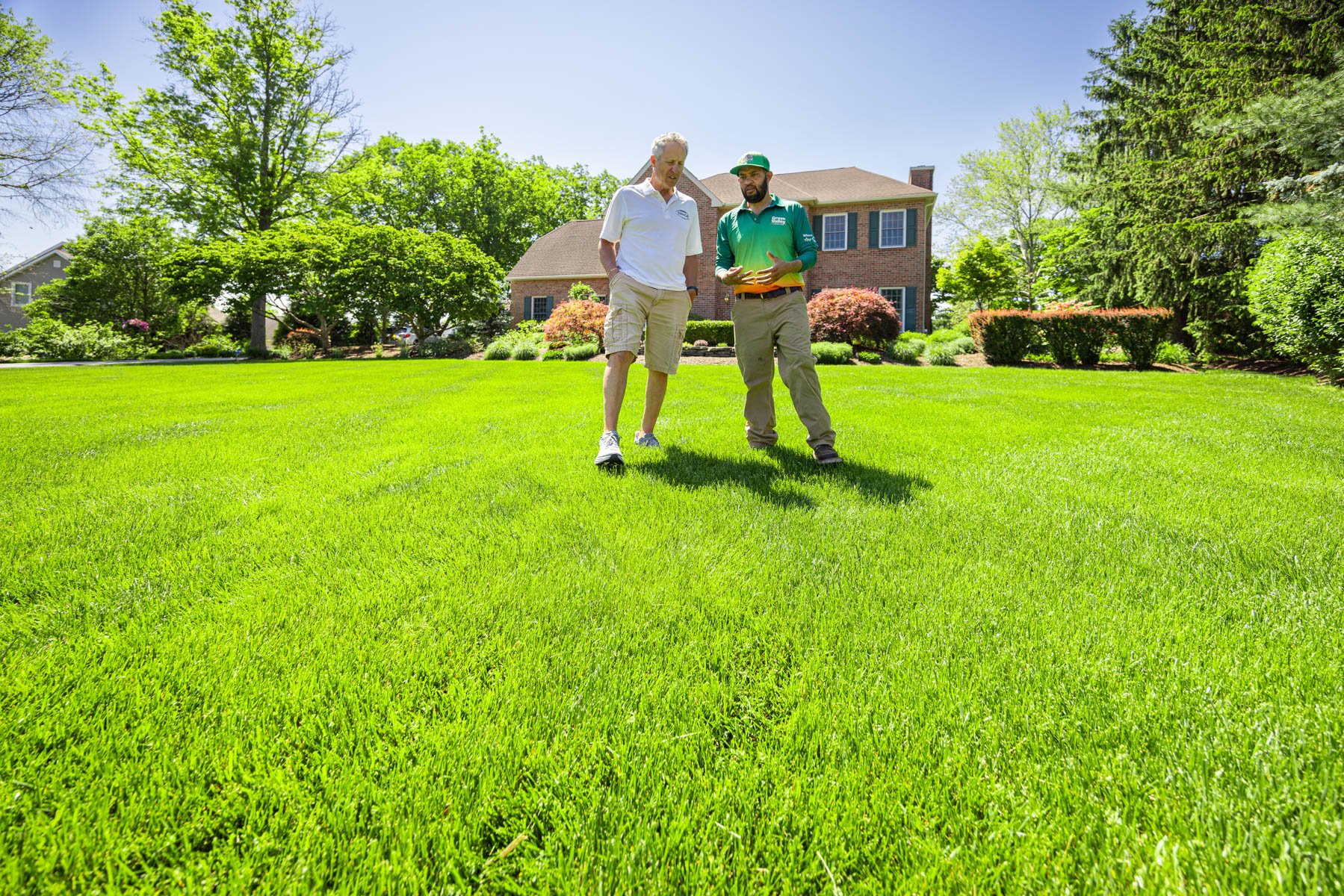
Frequently Asked Questions
Can you switch from DIY lawn treatments to professional lawn care mid-season?
Yes, though earlier applications and your lawn's current condition may shape the next steps. Early spring and fall are ideal starting points, since summer heat limits what you can do about weeds.
Can professional lawn care fix damage caused by improper lawn care practices?
In many cases, yes. How quickly depends on the lawn's starting condition, and it may take one to two years to reach your goals.
Do lawn care companies use different products than homeowners can buy at stores?
Yes. Professionals use specialized, professional-grade products. Depending on the company, they may even invest in custom blends with access to seed cultivars available to professionals years before they reach store shelves.
Can you still mow and water your own lawn if you hire a professional lawn treatment company?
Yes. Proper mowing and watering are the homeowner's side of the partnership and helps many of the treatments in a lawn care program do their job.
Does professional lawn care eliminate the need for homeowners to do anything between treatments?
Not entirely. You'll still handle mowing, watering, and general upkeep. Post-application summaries will flag any follow-up, such as watering in a grub control product.
Spend Less Time Troubleshooting Your Lawn When You Work with Green Valley
Professional lawn care works best as a partnership. Your technician handles treatments, monitoring, and guidance, while you maintain proper mowing and watering. For homeowners who want trained professionals, clear communication, and a worry-free approach, our team provides lawn care services in Montgomery Township and the Princeton area.
Ready to take the guesswork out of lawn care? Fill out our form today to get your quote and see how Green Valley Lawn Care can help your lawn leap to life.